One directory. A health file nobody opens without it being known.
The counter customer, the clinic’s patient and the hotel’s buyer are in the same directory: purchases, appointments, messages. Duplicates merge. The health file stays behind a dedicated capability, every consultation logged.
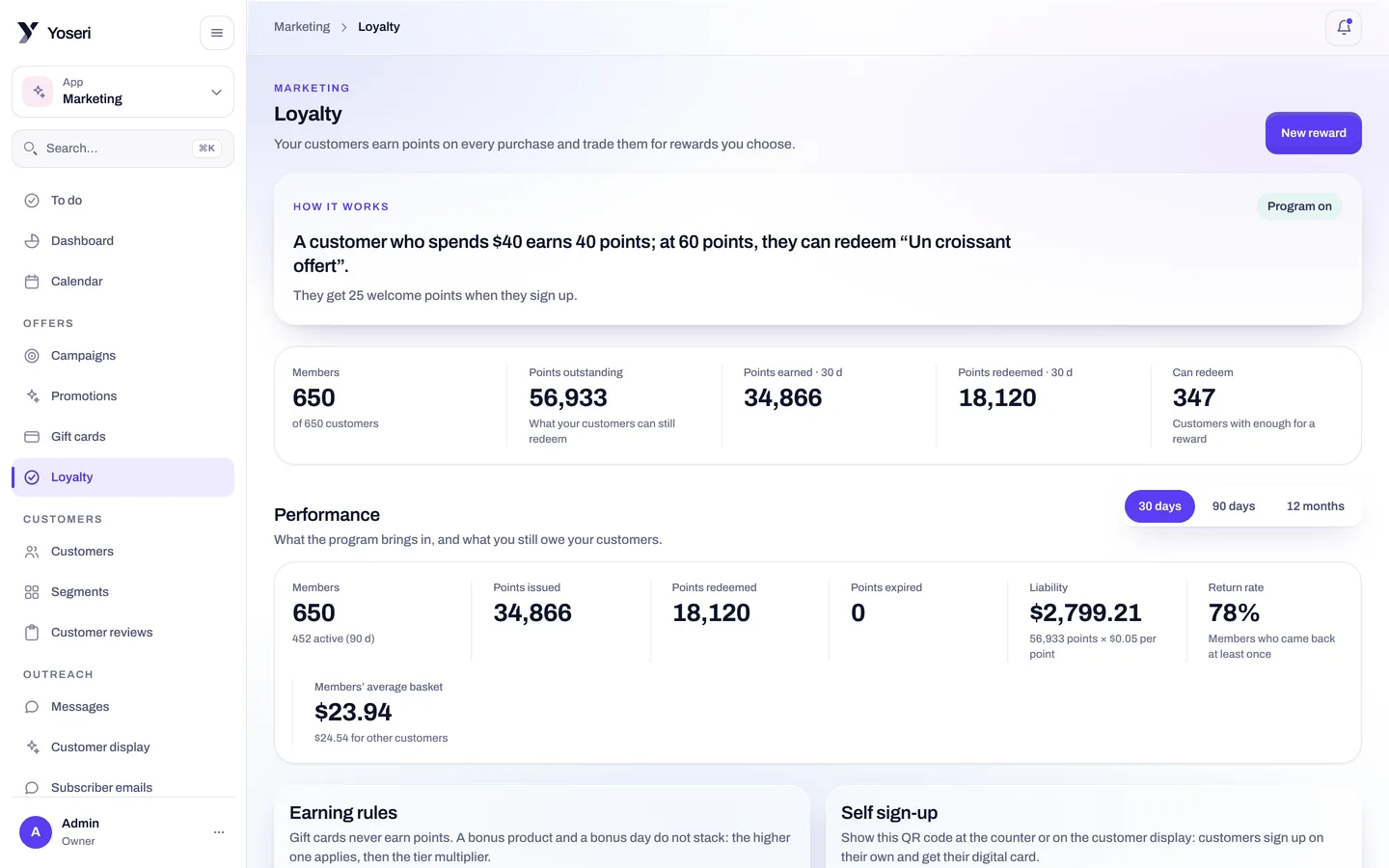
One record, three faces
The individual at the counter, the patient with their health file, the business with its trade terms. The same directory, with fields that change.
Purchases and appointments
Every ticket paid, every appointment booked, every online order, on the record. No re-entry.
Messages
Receipts, reminders, support replies, website chat and WhatsApp: the whole thread, in one place.
Duplicates merged
Same phone number or same email: the merge is proposed, then confirmed by a person.
Allergies and treatments, behind a capability.
A clinic, a spa, a pastry chef noting a nut allergy: the health file exists for that. The “see health files” capability is checked by the server, and every consultation is logged, as Law 25 requires.
- Never inferred from a section: having access to the Customers screen does not give access to the health file. It is a separate right.
- Consultation log: who opened which file, and when. Every consultation is written to it.
- The owner has every capability, and can hand them out one by one, to a role or to a person.
Dedicated capability
“See health files”, checked server-side, never inherited from a screen.
Every read logged
Who, when, which file: every consultation is written to the log.
Hosted in Canada
Partitioned by company from the database session up.
Law 25 and GDPR
Customer requests, person responsible, policy, incident register.
The card scanned, the record open.
At the till, the barcode scanner reads the loyalty card and the record opens: points, latest purchases, “often bought with”. The receipt goes out by email or by SMS. For an appointment, the record is created from the public booking link, with no customer account.
- Points and gift cards: applied to the ticket on their own, the card in Apple Wallet or Google Wallet.
- Receipt by email or SMS: the duplicate stays on the record. SMS goes through Twilio, with consent checked.
- Trade customers: discount, negotiated prices, standing orders and invoices, on the same record as everyone else.
What we do not do with your customers.
A directory is only worth the trust of the people in it.
No record required to sell
The point of sale takes payment from an anonymous customer. The record is born when they leave an email, a phone number or a loyalty card, not before.
No SMS without consent
CASL consent is checked before every send. No marketing SMS between 9 p.m. and 9 a.m. Receipts and reminders remain transactional sends.
No access without a trace
The health file is read with a dedicated capability, and every consultation is logged. Law 25 and GDPR access requests have their own screen in the settings.
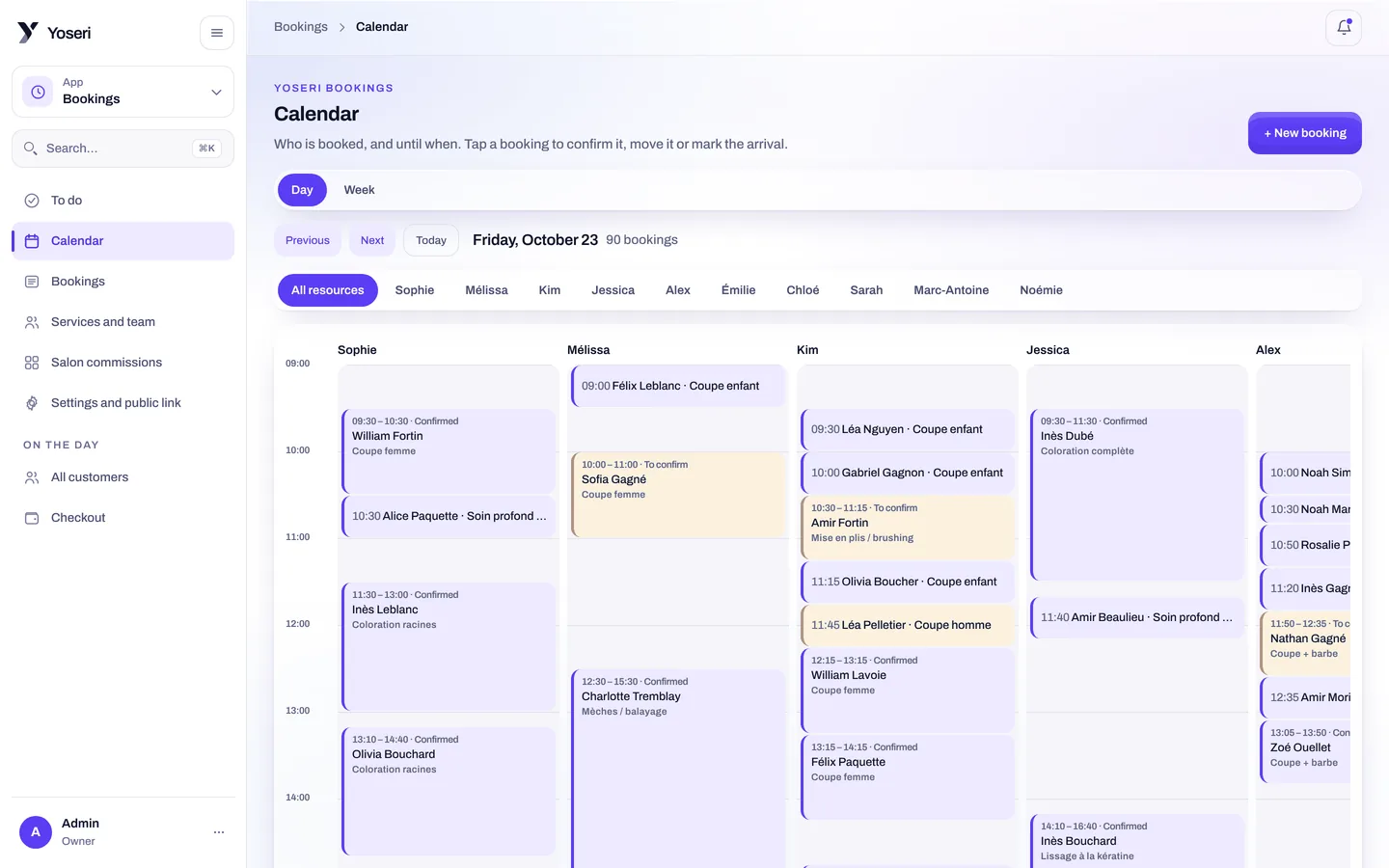
The record feeds everything else.
Marketing and loyalty
Segments from the directory, email and SMS campaigns, customer reviews and the queue of unhappy customers to call back.
See marketingBookings
Appointments and tables on the record, recurring series for salons.
See bookingsReports
Sales per trade customer, loyalty members’ basket, compared with the previous period.
See reportsQuestions about customers
Who can open a health file?
Only people with the “see health files” capability, checked by the server. It is never inferred from a section or a role, and the owner has it by default. Every consultation is logged: who, when, which file.
How are duplicates handled?
Two records with the same phone number or the same email are proposed for merging. Purchases, appointments and messages come together on a single record. Nothing is merged without a person confirming it.
What do I do when a customer asks for their data?
The Law 25 and GDPR screen in the settings receives the request, names the person responsible, keeps the policy and holds the incident register. The customer’s data is exported from their record.
Do counter customers get a record?
When they leave an email for the receipt, a phone number for the SMS or a loyalty card to scan, yes. An anonymous customer stays anonymous: the point of sale never requires a record to take payment.
Can a customer receive SMS?
If they have given consent, checked under CASL before every send, and never for marketing between 9 p.m. and 9 a.m. Receipts and appointment reminders are transactional sends; campaigns go through the Marketing app.
Your customers in one directory, today.
CSV import, duplicates merged, capabilities set. Thirty days of trial, no card.